

How to Choose an Investment Property in Charlotte, NC

How to Choose the Right Investment Property in Charlotte, North Carolina: Zoning, Financing, Cash Flow & Exit Strategies
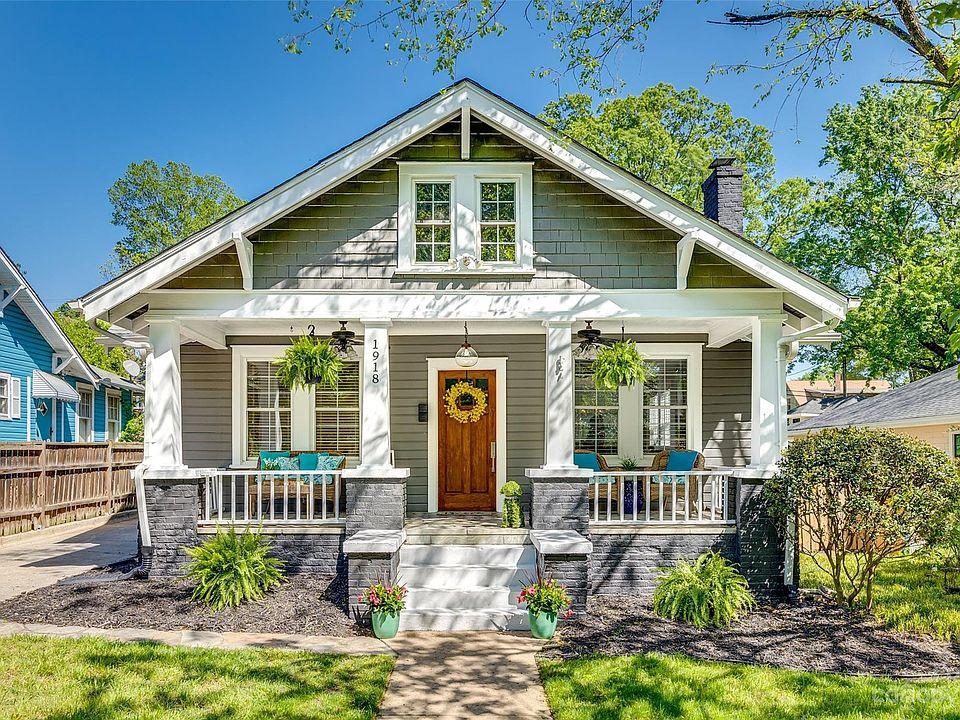
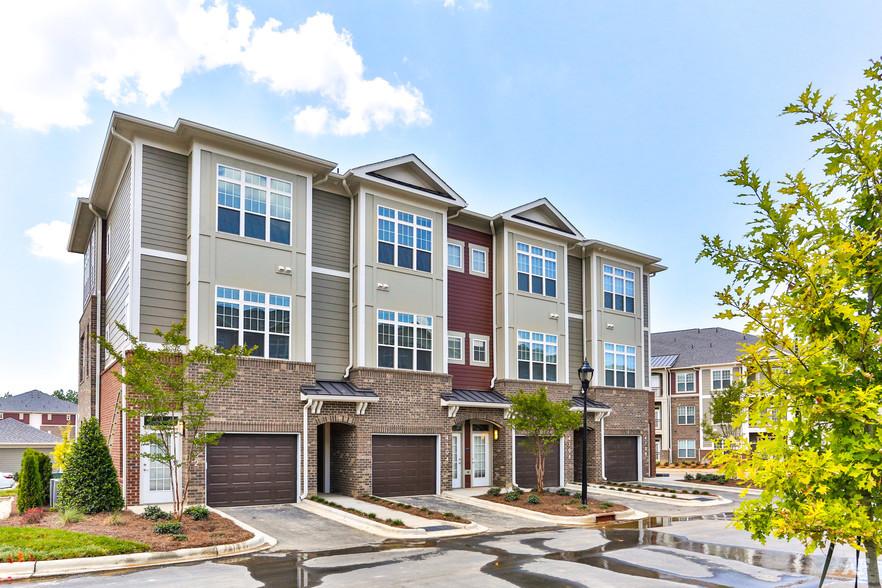
The best investment property isn't necessarily the one with the lowest purchase price, the highest projected rent, or the most attractive advertised cap rate. It's the property that fits your strategy, complies with local zoning, produces sustainable cash flow, and gives you a clear exit plan.
Charlotte, North Carolina, offers real estate investors a variety of opportunities, from traditional single-family rentals and townhomes to duplexes, multifamily properties, fix-and-flips, and specialized rental arrangements.
But here's something investors sometimes overlook:
Just because a property is for sale doesn't mean you can legally use it the way you intend. And just because a lender will finance it doesn't mean it's a good investment. Before purchasing, you need to understand the property's zoning, permitted uses, financing restrictions, actual operating expenses, and exit strategy.
As a mortgage broker working with investors, I don't believe my job ends when your loan closes. My goal is to understand your investment, evaluate financing options, and help you build a portfolio that makes sense today and in the future. Let's look at how to choose the right investment property in Charlotte.
1. Start With Your Investment Strategy, Not the Listing
Before you start touring properties or asking about mortgage rates, I want to know what you're trying to accomplish. Are you looking for immediate monthly cash flow? Long-term appreciation? A renovation project you can sell quickly? Or are you building a portfolio that will eventually generate enough income to replace your current paycheck?
Your investment strategy should determine which properties you consider.
Investment strategy | What matters most |
Long-term rental | Sustainable rent, operating costs, tenant demand |
Fix-and-flip | Purchase price, renovation costs, ARV, resale demand |
BRRRR | Rehab costs, future appraisal, refinance guidelines, capital recovery |
Short-term rental | Permitted use, occupancy, expenses, seasonality |
Duplex or multifamily | Legal unit count, zoning, vacancy, property income |
Room-by-room rental | Rooming-house rules, owner occupancy, lender income guidelines |
Group or recovery housing | Use classification, state licensing, fair housing, safety standards |
Portfolio expansion | Cash flow, leverage, reserves, repeatable financing |
A property that looks fantastic as a short-term rental may be a poor investment if local rules limit the intended operation. Likewise, a property with six bedrooms may appear ideal for renting by the room, but the local rooming-house regulations could make your proposed business model impossible. That's why I believe in evaluating the investment strategy before falling in love with a property.
2. Understanding Charlotte's Zoning Laws in 2026
Charlotte's zoning regulations are governed by its Unified Development Ordinance (UDO), which became effective June 1, 2023, replacing the city's previous zoning framework. The UDO uses neighborhood and place-based districts that regulate building types, density, permitted uses, setbacks, and other development standards.
Charlotte has also continued amending the UDO, including a March 2026 text amendment. Investors should always review the current ordinance, not older zoning summaries found online.
Neighborhood 1 (N1) zoning districts
Charlotte's Neighborhood 1 districts include N1-A, N1-B, N1-C, N1-D, N1-E, and N1-F. These districts are primarily intended for lower-scale residential development, but they are not identical to the old single-family-only zoning categories. Depending on the district, parcel, applicable standards, and development conditions, certain duplexes, triplexes, and other residential building types may be possible.
For investors, N1 districts are particularly relevant when evaluating traditional rental homes, small-scale residential development, or potential property conversions. However, the ability to construct or convert a property into additional dwelling units must be verified under the specific district and applicable rules.
Neighborhood 2 (N2) zoning districts
Charlotte's Neighborhood 2 districts, including N2-A, N2-B, and N2-C, provide opportunities for residential development at a greater scale than Neighborhood 1. These areas may be attractive to investors considering townhomes, smaller multifamily developments, or other attached residential housing. But the exact building types, development standards, and permitted uses still depend on the district.
Other residential and mixed-use districts
Charlotte also has districts that accommodate more intensive multifamily and mixed-use development, including Neighborhood Center, Community Activity Center, Regional Activity Center, and transit-oriented development districts.
These can be important when evaluating larger multifamily properties or redevelopment opportunities near employment centers and transportation corridors. An investor should never assume that a property is suitable for apartments simply because it's near an existing apartment building.
The parcel's actual zoning designation controls.
3. Charlotte Zoning Comparison for Investors
Zoning category | Potential investment opportunities | Key considerations |
N1-A through N1-F | Single-family rentals, eligible small-scale residential development | Building types, lot standards, unit restrictions |
N2-A through N2-C | Townhomes, attached housing, eligible multifamily | Development intensity, permitted uses, site requirements |
Neighborhood Center | Residential and mixed-use investment | Use permissions, building form, commercial integration |
Community Activity Center | Larger residential and mixed-use projects | Site design, infrastructure, building standards |
Regional Activity Center | Higher-intensity development | Greater complexity and development requirements |
Transit-Oriented Development | Transit-supportive residential and mixed-use projects | TOD-specific building and development regulations |
These are general descriptions, not parcel-specific approvals. Charlotte's UDO Articles 4–15 contain the detailed zoning district, building type, and use regulations.
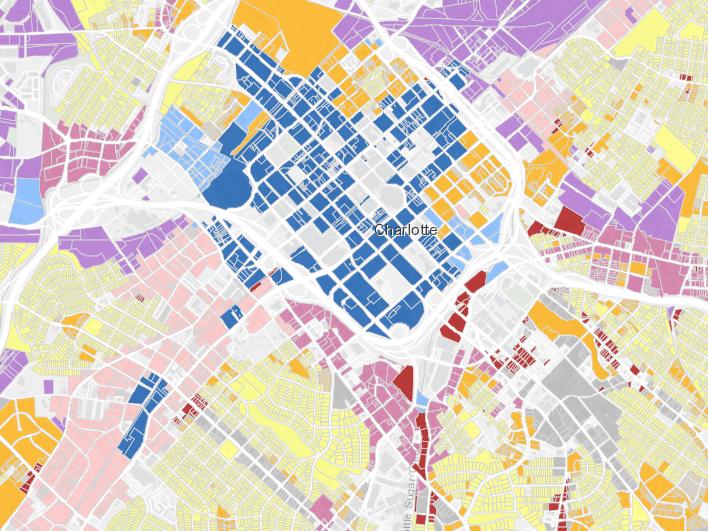
4. Charlotte Zoning Map: Where Can You Find Different Investment Opportunities?
Charlotte's official GIS resources should be used to identify N1, N2, mixed-use, transit-oriented, and other zoning districts at the parcel level.
Open Charlotte UDO & Zoning Resources
Verify Zoning With the City
Charlotte areas worth evaluating
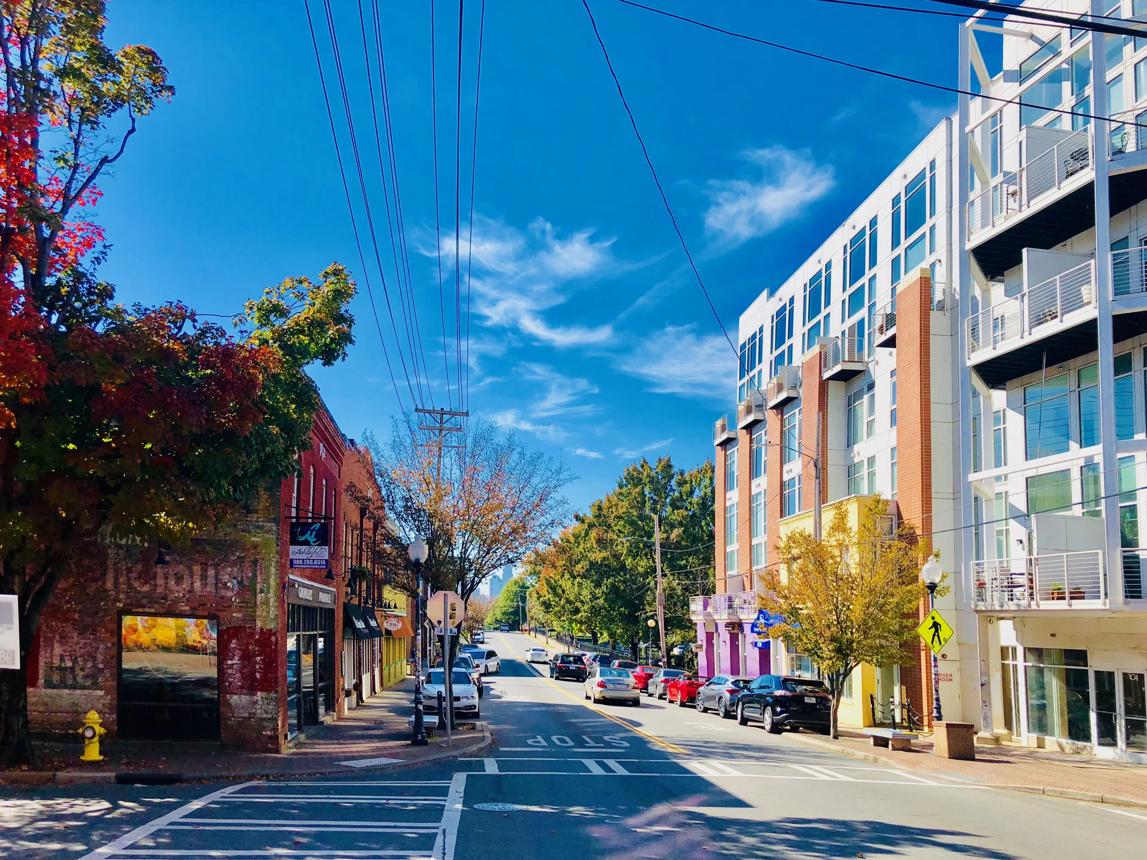
NoDa
Consider rental demand, proximity to restaurants and entertainment, acquisition costs, and the property's exact zoning. Evaluate whether projected rents justify the purchase price

Plaza Midwood
Older homes and redevelopment opportunities can appeal to investors, but renovations, property condition, and allowable conversions need careful review.
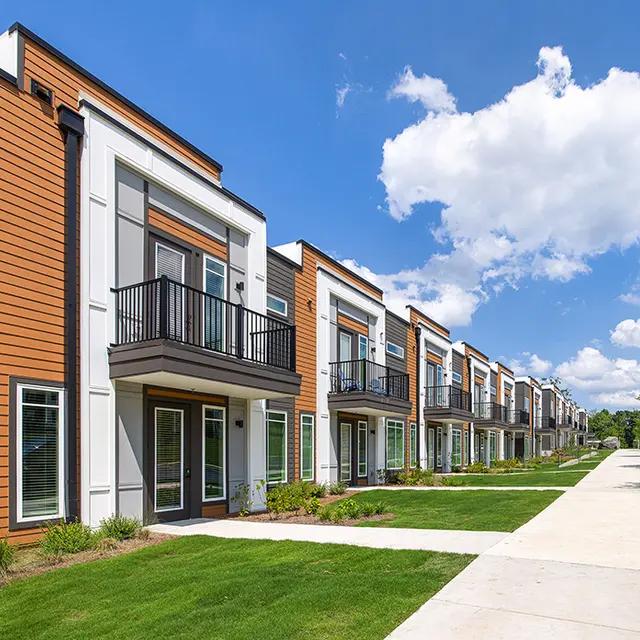
University City
Consider proximity to UNC Charlotte, employment, and transportation. Review leasing restrictions and whether the property suits traditional or student-oriented rentals.
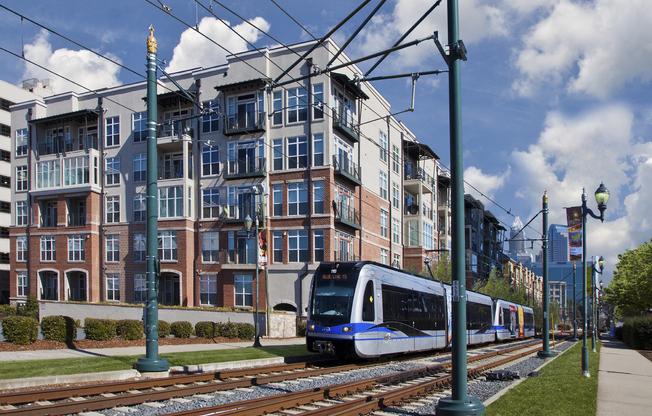
South End
Evaluate multifamily and townhome opportunities near transit, while accounting for higher acquisition costs and competition from newer rental developments. These are areas to research, not a ranking of current investment returns. Neighborhood boundaries are not zoning boundaries. Even two neighboring parcels can have different zoning designations and permitted uses.
5. Short-Term Rentals, Rooming Houses, and Group Housing: What Investors Need to Know
Charlotte has specific land-use categories for different residential arrangements. This is especially important if your business model depends on more than a conventional single-family lease.
Short-term rentals
Before purchasing a property to operate as an Airbnb or other short-term rental, confirm how the city classifies your intended use. Whole-dwelling rentals, owner-occupied room rentals, bed-and-breakfast operations, and rooming houses are not necessarily treated the same way.
You should verify zoning permissions, any applicable permits, HOA or condominium restrictions, fire and building codes, and state or local tax obligations. And remember: Just because a property has been advertised as an Airbnb doesn't mean the current operation complies with every applicable requirement.
When evaluating projected revenue, consider average daily rates, realistic occupancy, cleaning, furnishings, management costs, insurance, utilities, and seasonal fluctuations. I also want to know whether the property can generate sufficient income as a traditional rental if your short-term rental strategy changes.
Room-by-room rentals and rooming houses
Charlotte's rooming-house rules are particularly important for investors who plan to purchase larger homes and rent individual bedrooms. Under the current UDO Article 15 rooming-house provisions, requirements include a zoning use permit, owner occupancy, a maximum of five boarders, and rooming units located within the principal residential structure.
Separate entrances for individual rooming units are prohibited under these provisions.
City of Charlotte
That distinction can completely change an investment.
Imagine purchasing a six-bedroom property with plans to rent every bedroom separately while living elsewhere. If your arrangement is classified as a rooming house subject to the owner-occupancy requirement, the proposed business model may not work.
The city also recognizes Single Room Occupancy (SRO) as a distinct land-use category, with different zoning permissions. The UDO's use table shows SRO permissions in certain N2 and other districts, rather than across all Neighborhood 1 districts.
Charlotte UDO
Investors should obtain written clarification of the applicable classification before committing to a property.
Group homes and recovery housing
Charlotte's zoning code distinguishes group homes, residential care facilities, and other residential uses. Some group homes are allowed subject to prescribed conditions in N1 and N2 districts. Residential care facilities and SRO properties have different district permissions.
Charlotte UDO
If you're purchasing a property for recovery housing, supportive housing, or another specialized arrangement, you need to determine:
The correct legal use classification.
Whether the proposed occupancy and services meet local requirements.
Whether state licensing or additional approvals apply.
Whether federal and state fair-housing protections affect the analysis.
Whether the property can obtain appropriate insurance.
Whether the intended rental income is acceptable to your lender.
A property's zoning classification alone does not resolve all these questions.
6. Evaluate the Actual Profitability of a Charlotte Investment Property
A property can look great on paper until you account for taxes, insurance, vacancies, repairs, property management, and financing. I want investors to understand the real numbers. Here's an example of a hypothetical Charlotte rental property.
If the property produces negative cash flow, the next question is whether the investment still makes sense given your overall strategy. Are you depending on appreciation? Planning renovations that will increase rental income? Intending to refinance later? I want to understand those assumptions rather than simply assume the investment will become profitable.
7. Your Exit Strategy Can Determine Which Loan You Should Use
One of the first questions I ask investors is: How long do you plan to own this property? That answer can dramatically change which financing option makes sense.
Fix-and-flip investors
If you're planning to renovate and sell a property in six months, we'll focus on acquisition costs, renovation financing, holding costs, after-repair value, and the expected resale timeline. A short-term loan with a higher interest rate may make more sense than a long-term loan with a prepayment penalty, depending on the overall costs.
BRRRR investors
If you're using the Buy, Rehab, Rent, Refinance, Repeat strategy, we need to understand whether the refinance lender will recognize the new appraised value, how much equity you can access, and whether seasoning requirements apply. Not every lender treats a recently renovated property the same way.
Long-term rental investors
For long-term investors, we're looking at cash flow, debt service, operating expenses, prepayment provisions, and whether the property fits your larger portfolio. I also want to consider what happens if you decide to sell or refinance earlier than expected. The exit strategy isn't something we figure out after closing. It should influence the purchase and financing from the beginning.
8. Why Work With Shereen Muckerman, The Mortgage Wizard?
More Than a Loan. An Investment Financing Strategy.
My goal is to help you build a solid portfolio, not simply close your next loan. I don't want to just close your loan, collect a commission, and move on to the next client. I want to understand your investment strategy, the numbers behind your deal, and how the financing fits into your short-term and long-term plans.
That means we're going to talk about more than your credit score and interest rate. We're going to talk about profitability, cash flow, your exit strategy, and how this purchase affects the next investment you want to make.
You have a buy box. Lenders have a buy box.
Every investor has criteria for the properties they're willing to purchase. Lenders operate the same way. One lender might love traditional single-family DSCR properties but have no appetite for room-by-room rentals. Another may finance certain rural properties, manufactured homes, or unique investment scenarios that the first lender won't consider.
When you go directly to one lender, you're trying to fit every investment into that lender's buy box. And when the deal doesn't fit, you're back to shopping. As a mortgage broker, that's my job. I shop the lenders for you.
I have relationships with more than 50 lenders, and I work to understand their programs, pricing, guidelines, and appetite for different types of investments. I also keep up with guideline changes, because the lender that financed your last investment might not be the best fit for your next one. Having access to multiple lenders gives us more options to find financing that fits the property and your goals.
The lowest rate isn't always the best deal
I sometimes receive messages that say:
"Can you get me a 6.5% DSCR loan, no points, and low fees?" I understand why investors ask. Nobody wants to pay more than necessary. But I don't believe in being an order taker. Before I can recommend the right loan, I need to understand the deal.
What if the loan with the lowest rate comes with a five-year prepayment penalty, but you plan to refinance in twelve months? What if the lender offering that rate won't accept your property's rental-income structure?
What if a slightly different financing program allows you to preserve more cash for your next investment? The best financing isn't always the loan with the lowest advertised interest rate. It's the financing that helps you accomplish your investment goals.
One credit report and a streamlined process
One of the benefits of working with my team is that we generally obtain one mortgage credit report that can be used with participating lenders for up to 120 days, subject to lender requirements.
If we need to change lenders, we can often transfer the existing documentation and continue the process without starting entirely from scratch. Some lenders may require updated information or a new credit report, but our goal is to make the process as efficient as possible.
Building long-term investor relationships
My business is built on repeat clients and referrals. When you work with me, I want to learn your investment criteria, your financial position, and what you're trying to build. We keep your file organized and update your documents as needed for future transactions.
Once we understand your investment strategy, the process becomes much more efficient. You find the next property; we review the numbers, determine which lenders have an appetite for the deal, and move forward. I want to be the person you call before you write the next offer, not just when you need a loan.
9. What to Expect When Working With My Team
My team and I pride ourselves on client service. We also believe successful transactions require commitment and communication from both sides. Our goal is to close eligible transactions within 30 days whenever the loan program, property, and circumstances allow.
To accomplish that, we need clients who respond to requests, provide complete documentation, and respect deadlines. When we commit to your transaction, we're committing our time, expertise, and resources to getting it closed.
We expect that same level of commitment from you. If you're still shopping lenders, that's completely fine. We encourage you to complete that process before asking our team to begin full loan processing. Once we move forward together, we expect timely communication throughout the transaction.
If communication stops, we may place your file on hold for one week, which can delay closing. If we still don't hear from you, we may withdraw the application from active processing, subject to applicable notice and regulatory requirements. This isn't about making the process difficult.
It's about maintaining the same service standards for every client and keeping transactions on track. We want to work with investors who value professional guidance and are serious about building successful portfolios.
10. Your Charlotte Investment Property Due Diligence Checklist
Investor checklist
Verify the property's zoning using Charlotte Explorer
Confirm the legal dwelling-unit count and intended rental use
Review UDO restrictions, permits, HOA rules, and overlays
Research actual rents and comparable properties
Verify property taxes, insurance, and expected maintenance
Calculate cash flow, DSCR, and cash-on-cash return
Check flood exposure and potential property-condition issues
Review lender guidelines and property eligibility
Confirm seasoning and prepayment penalty provisions
Identify primary and backup exit strategies
Complete a financing discovery call before committing
11. Final Thoughts: Build a Portfolio, Not Just a Collection of Properties
Charlotte offers investors a variety of residential real estate opportunities, but not every property is going to be the right investment for your goals. The property needs to make sense from several different perspectives: zoning, rental income, expenses, financing, and exit strategy.
My goal isn't to tell you what you want to hear just so I can close another loan. I want to help you evaluate the financing and understand how it affects your overall investment. If you're building a portfolio, every purchase should have a purpose.
And when you're ready for the next property, I want you to feel confident coming back to my team because you know we'll take the time to understand the deal. I'm not here for just one closing. I'm here to help you build something that lasts.