
How to Choose an Investment Property in Dallas-Fort Worth
How to Choose the Right Investment Property in Dallas–Fort Worth, Texas: Zoning, Financing, Cash Flow & Exit Strategies
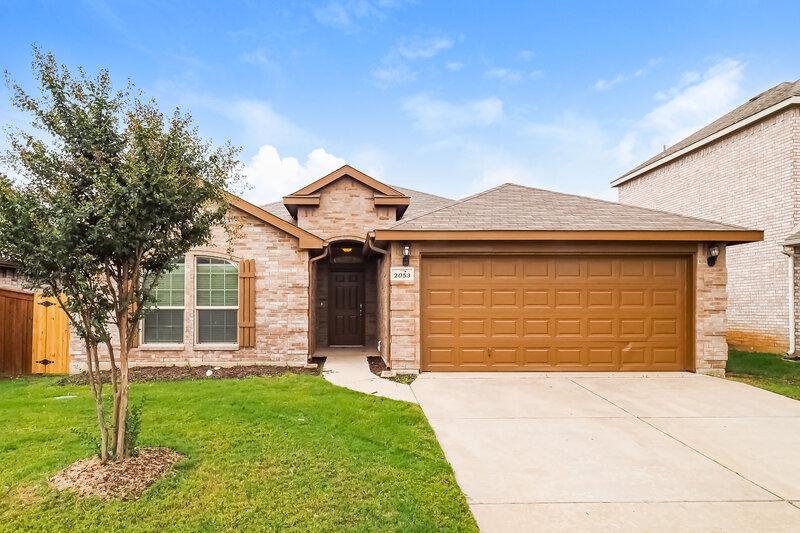
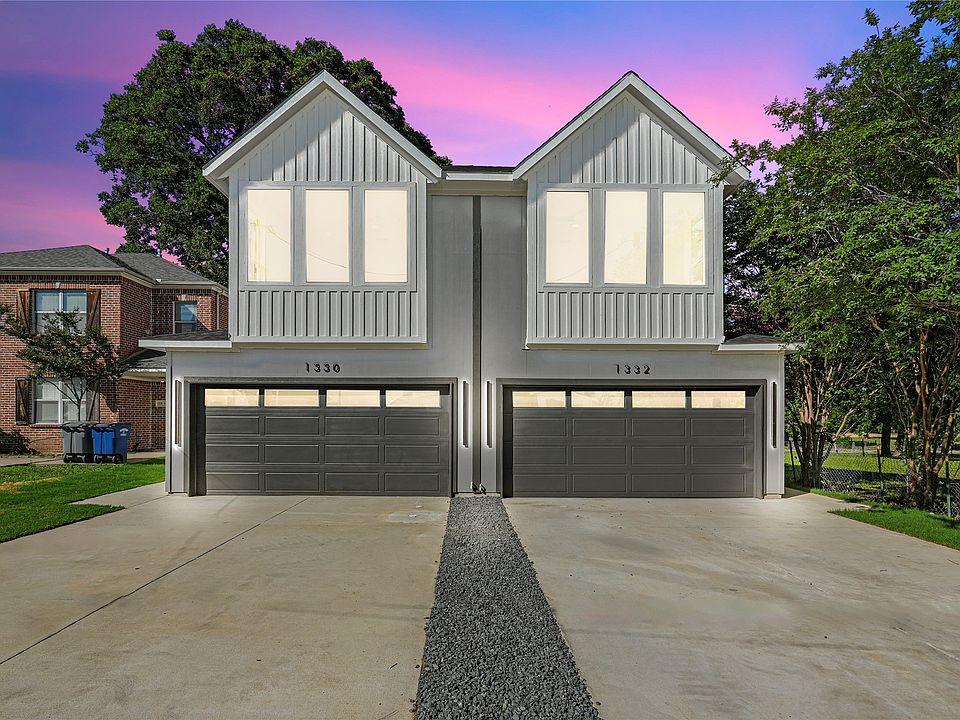
The best investment property isn't necessarily the one with the lowest price, the highest projected rental income, or the lowest mortgage rate. It's the property that fits your investment strategy, meets local zoning requirements, generates sustainable returns, and has a solid exit plan.
Dallas–Fort Worth offers investors a wide range of opportunities, from single-family rentals and duplexes to multifamily buildings, fix-and-flips, BRRRR projects, short-term rentals, and specialized housing. But DFW presents a challenge that investors sometimes overlook: Dallas, Fort Worth, Arlington, Plano, Frisco, and the surrounding communities don't all have the same zoning rules.
A property that works for your strategy in one city may not be permitted to operate the same way just a few miles away. And just because a lender is willing to finance a property doesn't necessarily mean it's a profitable investment.
As a mortgage broker, I believe my responsibility goes beyond getting you approved and collecting a commission. I want to understand your investment strategy, help you evaluate the financing, and make sure we're considering both the purchase and your eventual exit.
Let's look at how to choose the right investment property in the DFW market.
1. Start With Your Investment Strategy, Not the Property
Before we discuss mortgage rates or loan programs, I want to know what you're trying to accomplish. Are you looking for immediate monthly cash flow? Long-term appreciation? A quick renovation and resale? Or are you building a portfolio of rental properties that will eventually provide financial independence? Different strategies require different property types, financing structures, and exit plans.
Investment strategy | What matters most |
Long-term rental | Rental demand, cash flow, taxes, insurance, maintenance |
Fix-and-flip | Purchase price, rehab budget, ARV, holding costs |
BRRRR | Renovation value, rental income, refinance seasoning, cash-out potential |
Short-term rental | Local legality, registration, occupancy, operating expenses |
Duplex or multifamily | Legal unit count, zoning, vacancy, NOI |
Room-by-room rental | Occupancy classification, boarding-house rules, parking |
Group or recovery housing | Zoning, resident arrangements, fair housing, safety requirements |
Portfolio expansion | Cash flow, reserves, financing flexibility, scalability |
For example, a property in Dallas might look like a fantastic investment if you can rent it by the bedroom. But if local regulations don't allow the intended operation, those projected returns may never materialize.
Likewise, a fix-and-flip in Fort Worth might have a strong projected after-repair value, but unexpected renovation costs or financing restrictions could eliminate the profit. I want to help you evaluate the numbers and the financing before you commit to the purchase.
2. Understanding Zoning in Dallas–Fort Worth
Unlike a city with one unified zoning code, DFW is made up of numerous municipalities, each with its own regulations. That means your due diligence starts by identifying which city has jurisdiction over the property.
For example, a Dallas mailing address doesn't always mean a property is governed by Dallas city zoning. The parcel may be in another municipality or an unincorporated area. Zoning determines which land uses and building types are allowed, but it isn't the only factor. Building codes, occupancy classifications, deed restrictions, HOA rules, and licensing requirements can also affect your investment.
Dallas residential zoning
The City of Dallas uses several residential zoning districts, including R districts for single-family residential uses, D districts for duplexes, TH districts for townhouses, and MF districts for multifamily development.
Some common classifications include:
Dallas district | General description | Investor considerations |
R-7.5(A) | Single-family residential | Traditional rental homes; verify other uses |
R-5(A) | Single-family residential | Smaller-lot single-family opportunities |
D(A) | Duplex residential | Evaluate legal two-unit configurations |
TH districts | Townhouse residential | Attached housing and development standards |
MF-1(A) | Multifamily residential | Potential multifamily opportunities |
MF-2(A) | Multifamily residential | Higher-density residential investment |
MF-3(A) | Multifamily residential | More intensive multifamily development |
These designations describe general zoning purposes, not guaranteed permission for a particular property configuration. Dallas also has planned development districts, conservation districts, historic districts, and other overlays that can modify what would otherwise be allowed.
Fort Worth residential zoning
Fort Worth has its own classification system.
Common residential districts include:
Fort Worth district | General description | Investor considerations |
A-5 | One-family residential | Traditional single-family rental |
A-7.5 | One-family residential | Larger minimum-lot standards |
B | Two-family residential | Potential duplex opportunities |
CR | Low-density multifamily | Attached or multifamily residential development |
C | Medium-density multifamily | Multifamily opportunities |
D | High-density multifamily | Higher-intensity residential development |
Other districts, including planned developments, may have property-specific requirements. The important point: A duplex or fourplex that is physically standing on a property is not automatically a legally permitted two-unit or four-unit property. Always verify the legal unit count and any grandfathered or nonconforming status.
3. DFW Zoning Maps: Where Can You Find Different Investment Opportunities?
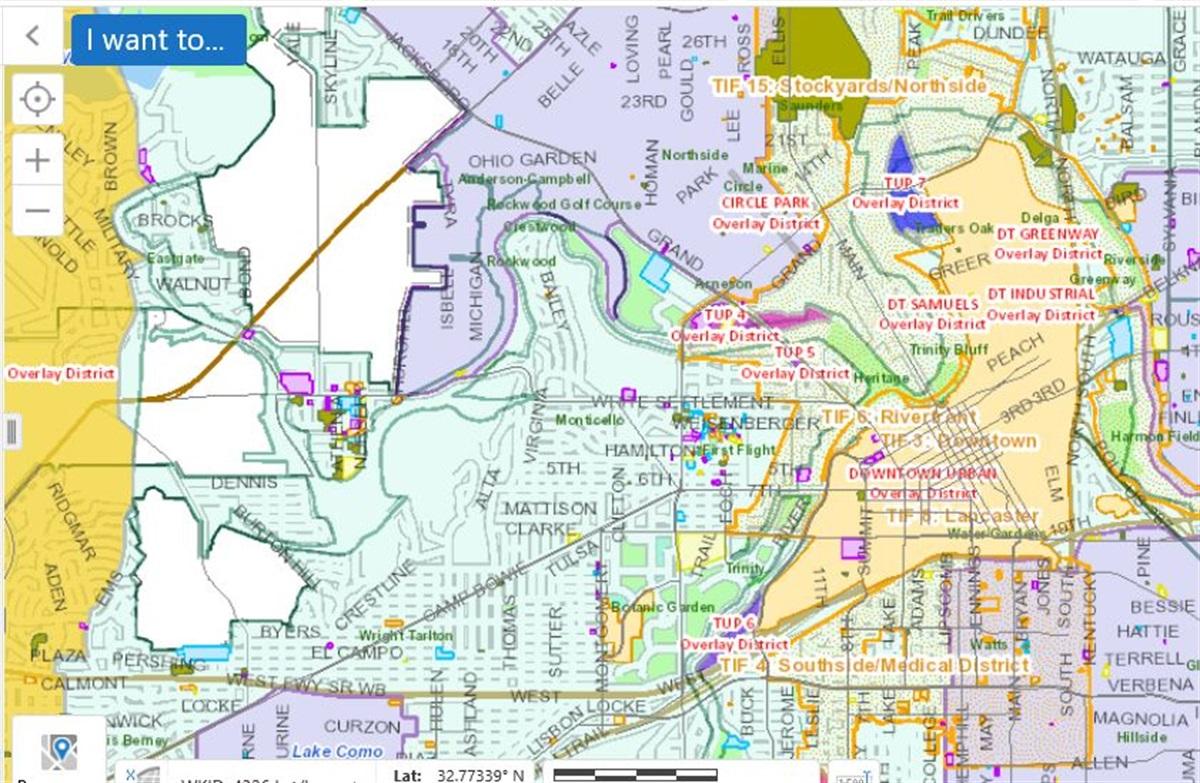
Because DFW spans multiple cities, there isn't one zoning map that covers the entire Metroplex under a single set of rules.
The most reliable approach is to use each municipality's official zoning map to identify the property's district, any overlays, and permitted uses.
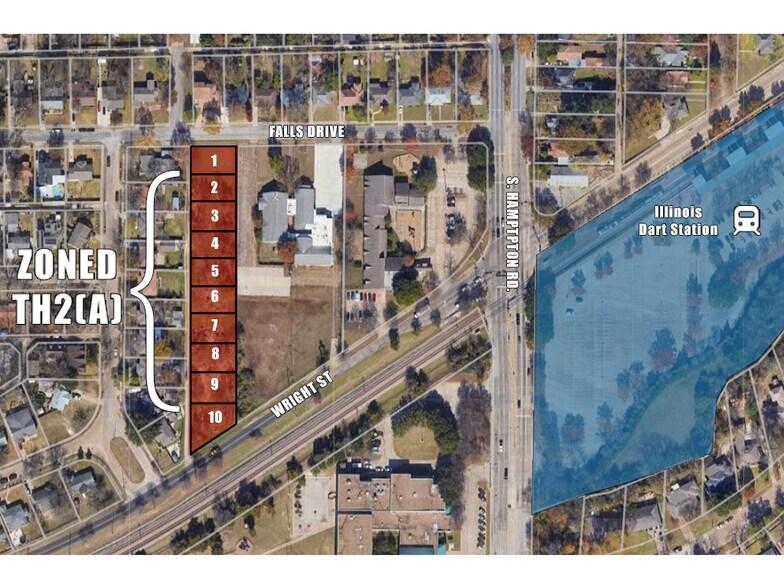
Dallas zoning map
Identify single-family, duplex, townhouse, multifamily, and planned development districts.
Dallas official zoning resources
Fort Worth zoning map
Examine A-5, B, CR, C, D, planned development districts, and overlay restrictions.
Fort Worth official interactive zoning map
Fort Worth's official GIS zoning layers distinguish single-family, two-family, multifamily, mixed-use, and planned development areas.
Fort Worth GIS
For investors, the map is only the starting point. After identifying a parcel's zoning, you still need to read the actual use regulations and verify whether the proposed rental arrangement is allowed.
4. Choosing the Right DFW Market for Your Strategy
The DFW Metroplex isn't one uniform investment market. Different cities and neighborhoods offer different property types, acquisition costs, rental demand, and redevelopment opportunities.
Here are several areas worth researching.
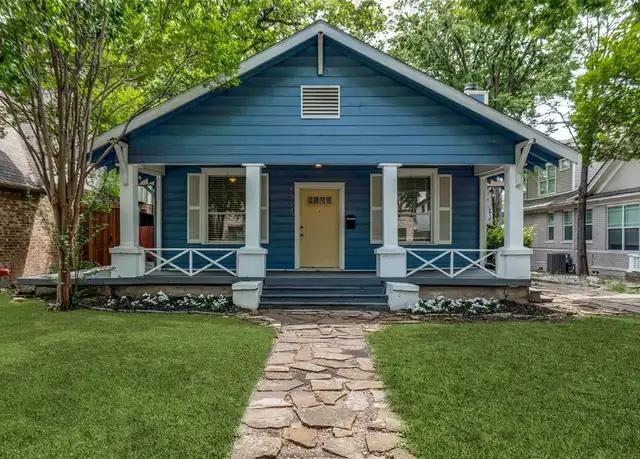
East Dallas
Evaluate established single-family rentals, older homes with renovation potential, and proximity to employment and amenities. Pay attention to renovation budgets, taxes, and neighborhood-specific restrictions.
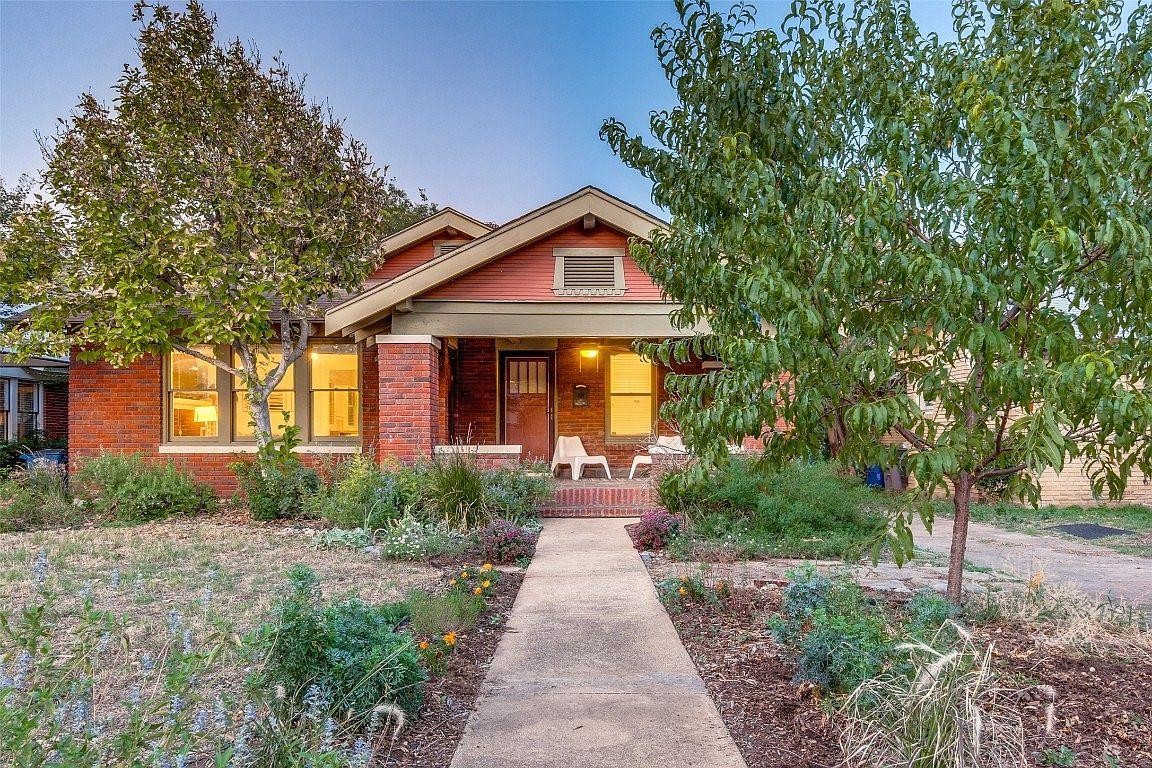
Oak Cliff
Explore opportunities for traditional rentals, renovation projects, and selected small multifamily properties. Verify historic or conservation restrictions where applicable.
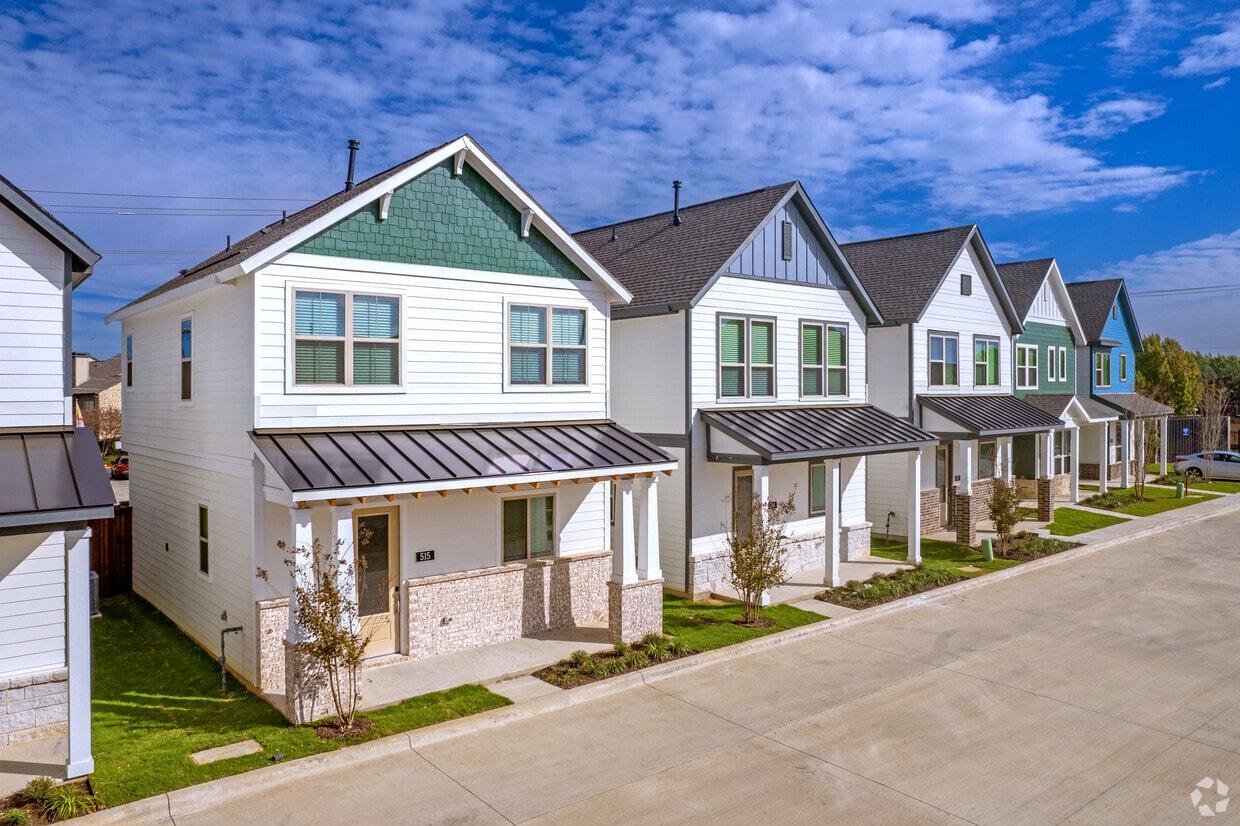
Arlington
Consider conventional rentals and properties serving households near major employment, education, and entertainment centers. Short-term rental rules need separate verification
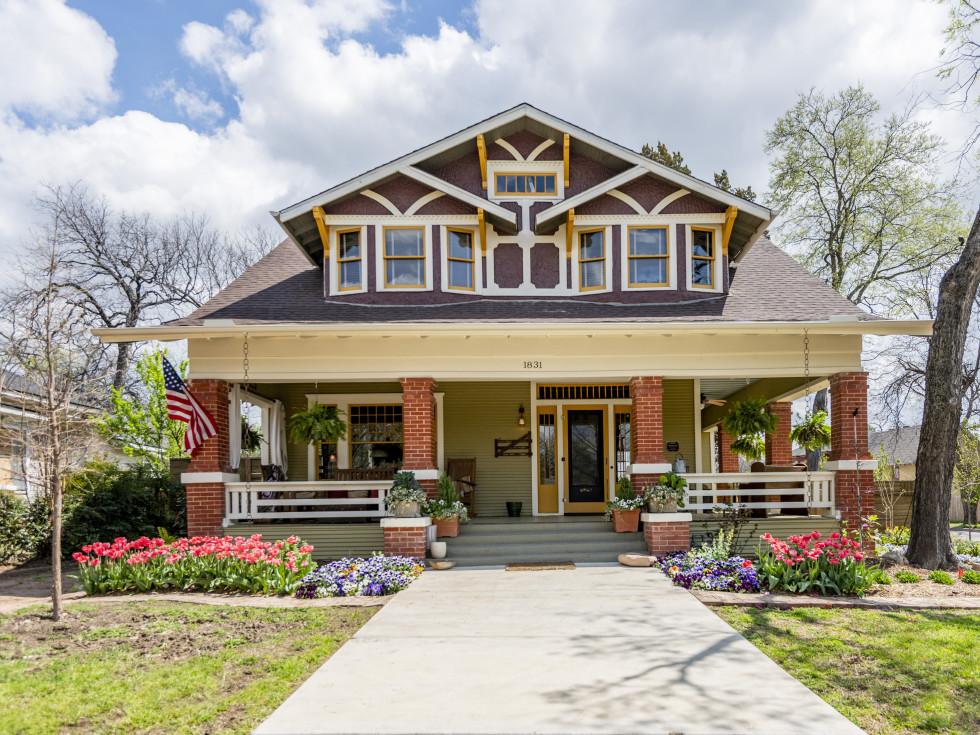
Fairmount
Older homes can offer renovation opportunities, but historic preservation requirements and rehabilitation costs deserve extra attention.
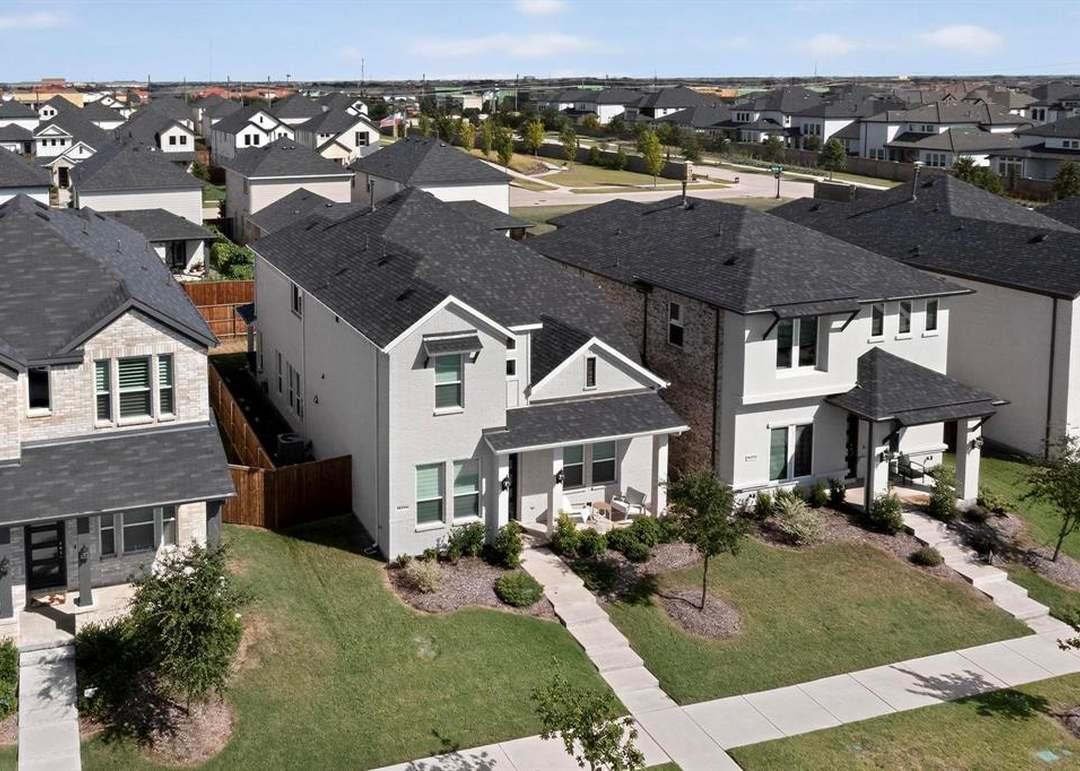
Frisco
Research newer housing, long-term rental demand, HOA restrictions, property taxes, and whether acquisition costs support your cash-flow goals. These are research starting points, not verified rankings of investment performance.
One thing I want investors to understand: A great neighborhood doesn't automatically mean a great investment. A property in a popular area can still be overpriced, overleveraged, or unable to generate the return you need.
5. Short-Term Rentals, Room Rentals, and Group Housing in DFW
This is where zoning can have a major impact on your investment.
Short-term rentals: Dallas vs. Fort Worth
Dallas and Fort Worth have very different short-term rental situations.
Dallas: The city adopted ordinances in 2023 restricting short-term rentals, including a proposed prohibition in single-family residential districts. Those ordinances became the subject of litigation. A temporary injunction prevented enforcement, and the July 2025 appellate decision largely upheld that injunction. The Texas Supreme Court docket shows additional filings in 2026.
Dallas City Hall
+2
This makes Dallas short-term rental investments especially sensitive to legal and regulatory changes. Investors should verify the current status with the city and appropriate legal counsel before purchasing.
Fort Worth: The city's published rules prohibit short-term rentals in residential districts including A-series, B, CR, C, D, R1, R2, and UR. Short-term rentals are permitted in specified nonresidential districts, subject to registration and other requirements.
Fort Worth requires annual short-term rental registration, with a published $150 initial application fee and $100 renewal fee, along with a zoning confirmation and applicable hotel occupancy tax obligations.
Fort Worth Texas
Why this matters: If you purchase a Fort Worth single-family home in an A-5 district expecting to operate it as an Airbnb, the city's published zoning rules could prevent that business model. Never rely solely on existing Airbnb listings as proof that a particular use is legal.
Room-by-room rentals and boarding houses
Room-by-room rental strategies can produce attractive projected income, especially in larger homes. Imagine a property with five bedrooms.
A traditional rental might produce $2,400 per month, while five individual room leases at $750 each could theoretically generate $3,750. But that difference doesn't automatically mean the room-rental strategy is better.
You need to verify the local definition of household, family, boarding house, lodging house, or other applicable residential use. You also need to consider occupancy limits, parking, fire safety, separate leases, and whether your lender accepts individual room rents.
Some DSCR lenders may use a conventional market-rent appraisal instead of the combined room rents. Other lenders may consider specialized arrangements with additional requirements. The zoning and financing must both support the strategy.
Group homes, sober living, and recovery housing
Specialized housing investments require additional due diligence. The exact rules can depend on the number of residents, the services provided, the legal use classification, and whether disability-related fair-housing protections apply.
A group home is not automatically classified the same way as a boarding house, and a sober living residence is not necessarily treated the same way as a conventional rental.
Before making an offer, investors should confirm zoning, fire and building requirements, any applicable state licensing rules, insurance eligibility, and lender property guidelines. Federal fair-housing laws may protect certain residents and require reasonable accommodations. That analysis should be handled with appropriate legal guidance rather than relying on a simplified zoning chart.
6. Analyze the Numbers: What Does a Profitable DFW Rental Actually Look Like?
DFW investors need to pay close attention to property taxes, insurance, maintenance, vacancy, and financing costs. Texas has no state individual income tax, but that does not make property ownership inexpensive. Property taxes can materially affect rental profitability.
A property that looks attractive using principal and interest alone may have little or no cash flow once the full operating expenses are considered.
Here's an example you can adjust.
Don't forget the Texas property tax factor
One of the first things I want investors to examine is the property's estimated tax bill after the purchase. A seller's existing property taxes may not reflect the taxes a new investor will pay.
For example, the current owner may have a homestead exemption or other exemptions that won't apply to a non-owner-occupied investment property. Investors should estimate taxes using the relevant appraisal district, taxing entities, exemptions, and applicable valuation rules. That one expense can change whether a property meets your desired cash-flow target.
7. Your Exit Strategy Should Determine Your Financing
I believe investors should think about the exit before purchasing the property.
Fix-and-flip
If you're planning to renovate and sell, we need to evaluate the acquisition price, renovation costs, projected after-repair value, holding costs, financing expenses, and selling costs. A project with a strong gross profit projection can quickly become unattractive when renovations take longer than expected.
BRRRR
If you're buying, rehabbing, renting, refinancing, and repeating, we need to understand your refinance lender's rules before you begin. Will the lender recognize the new appraised value? Is there a title-seasoning requirement? What loan-to-value limit applies? Will the rental income support the refinance? These are questions I want answered upfront.
Long-term buy and hold
For long-term rentals, I want to understand cash flow, reserves, appreciation assumptions, prepayment penalties, and your plans for future portfolio growth. Sometimes a slightly different loan structure can provide more flexibility when you're ready to acquire your next property.
Portfolio or blanket financing
For investors who already own multiple properties, we may also consider portfolio or blanket loan options. Depending on the lender and structure, these programs may allow multiple properties to be financed together.
However, we also need to consider release provisions, cross-collateralization, prepayment terms, and how the financing affects your ability to sell or refinance individual properties. The goal isn't simply to finance the properties. It's to preserve a workable exit strategy.
8. Why Work With Shereen Muckerman, The Mortgage Wizard?
I don't want to simply close your loan, collect a commission, and move on. I want to understand what you're building. Whether you're buying your first investment property in DFW or adding your twentieth, I want to know how the deal fits into your portfolio. That means we're going to talk about cash flow, your financial position, property eligibility, financing terms, and your exit strategy.
You have a buy box. Lenders have a buy box, too.
Every investor has a buy box. Maybe you're looking for properties under $300,000, with at least three bedrooms, strong rental demand, and a minimum cash-on-cash return.
Lenders also have buy boxes. One lender may be comfortable with traditional single-family DSCR loans but unwilling to finance a manufactured home. Another may have an appetite for rural properties, room-by-room rental income, certain short-term rentals, or specialized property types.
When you go directly to one lender, you're trying to fit every deal into that lender's guidelines. And when the deal doesn't fit, you have to start shopping all over again. As a mortgage broker, that's my job. I shop the lenders for you.
Relationships with more than 50 lenders
I have relationships with more than 50 lenders, which gives me access to different loan programs, pricing structures, property guidelines, and investor financing options. My job is to know which lenders have an appetite for which types of deals.
I also keep up with guideline changes because what a lender was willing to finance six months ago may not be what they're willing to finance today. I'm not just looking for the lowest rate. I'm looking for financing that supports your investment strategy and gives you the flexibility you need.
Why I'm not an order taker
Sometimes an investor will text me:
"Can you get me a 6.5% DSCR loan, no points, and low fees?"
I understand the question. Everyone wants a competitive rate and low closing costs. But here's the difference between working with me and simply getting a rate quote. I need to understand the deal before I can tell you which financing option is best.
What if you're planning to refinance in six months, but the loan you're requesting has a five-year prepayment penalty? What if the lender offering the lowest rate won't accept the type of rental income you're using? What if a different program helps you preserve more cash for the next investment?
The lowest interest rate doesn't automatically mean the best investment financing. I want to understand your short-term and long-term goals, the property, your credit profile, and your exit strategy. That's how we determine which loan makes sense.
One credit report, multiple lender options
One benefit of working with my team is that we generally obtain one mortgage credit report that can be used with participating lenders for up to 120 days, subject to their requirements.
If we need to change lenders, we can often transfer the existing documentation and move forward without rebuilding the entire file. Some lenders may require updated information or a new credit report, but our goal is to keep the process efficient.
Built for repeat investors
My business is built on repeat clients and referrals. When I work with an investor, I want to learn their goals, financial profile, and preferred investment criteria. We maintain their file and update documents as needed for future transactions.
That way, when they find their next investment, we're not starting from zero. We review the property, confirm the financing options, update the necessary documentation, and move forward. I want to build long-term relationships with investors who come back again and again.
9. What We Expect From Investors Working With Our Team
My team and I pride ourselves on client service. Our goal is to close eligible transactions within 30 days whenever the program and circumstances allow. To accomplish that, we need investors who are committed, responsive, and respectful of the process.
We expect clients to provide documentation promptly, communicate throughout the transaction, and meet agreed-upon deadlines. If you're still shopping lenders, that's fine. We encourage you to complete that process before asking us to begin full loan processing. Once we commit to working together, we dedicate our time and resources to your transaction.
If communication stops, we may place the file on hold for one week, which can delay your closing. If we're still unable to reach you, we may withdraw the application from active processing, subject to applicable notice and regulatory requirements.
Repeatedly requesting the same documents or chasing missing information makes it difficult to maintain the service standards our clients deserve. We work best with investors who value professional expertise, communicate clearly, and are serious about building profitable portfolios.
10. The Investor Discovery Call: Where We Start
Before we recommend financing, I want to understand you, the property, and your goals.
During our discovery call, we may discuss:
Your credit score, recent late payments, homeownership status, and available reserves.
Your experience as an investor and how many properties you currently own.
Whether you're buying a single-family home, duplex, multifamily property, manufactured home, or rural property.
Whether the property is leased, vacant, or undergoing renovation.
Whether your income strategy involves long-term tenants, short-term rentals, or individual room leases.
Your purchase price, renovation budget, projected rent, and after-repair value.
Your intended hold period and whether you're planning to refinance or sell.
Any lender seasoning requirements or prepayment penalties.
Your target cash flow, ROI, and how you developed those projections.
Whether you want to build a larger portfolio or use a BRRRR strategy.
We also discuss insurance early, because property condition and intended use can affect both coverage and financing.
I want to identify potential issues before you're days away from closing.
11. DFW Investment Property Due Diligence Checklist
Your investment checklist
Identify the municipality and verify parcel zoning
Confirm legal unit count and intended rental use
Review short-term rental or rooming-house restrictions
Check HOA rules, deed restrictions, and overlays
Verify comparable rents and vacancy assumptions
Estimate property taxes without assuming seller exemptions
Obtain insurance estimates for the intended use
Calculate cash flow, DSCR, ROI, and reserves
Confirm lender eligibility and financing guidelines
Review prepayment penalties and title-seasoning requirements
Prepare primary and backup exit strategies
Complete an investor discovery call before committing
12. Final Thoughts: Build a Portfolio, Not Just a Collection of Properties
DFW offers a wide variety of investment opportunities, but not every property is going to be the right investment for your goals. A successful investment starts with understanding the numbers, the zoning, the financing, and the exit strategy.
My job isn't simply to tell you that you qualify for a loan. I want to understand what you're building and help you evaluate how each purchase fits into that bigger picture.
Whether you're buying a traditional rental, renovating a property, expanding a multifamily portfolio, or working on a more specialized investment, I want to help you make informed financing decisions. I'm not here for one closing. I'm here to help you build a portfolio that you'll want to keep growing.
And when you're ready for the next property, I want to be the first person you call.
.