
How to Choose an Investment Property in Tampa, FL

The best investment property isn't necessarily the one with the lowest purchase price, the highest projected rental income, or the lowest mortgage rate. It's the property that fits your financial plan, complies with local zoning regulations, generates sustainable returns, and gives you a clear exit strategy.
Tampa, Florida, offers opportunities for investors interested in single-family rentals, duplexes, multifamily properties, fix-and-flips, BRRRR projects, short-term rentals, and specialized housing. But Florida presents some challenges that investors cannot afford to overlook: property insurance, flood exposure, hurricane risks, property taxes, rental restrictions, and financing requirements.
A property may look like an excellent investment until you discover that insurance costs are significantly higher than expected, the HOA restricts rentals, or the property's zoning doesn't allow your intended use. That's why I believe the investment process should begin before you ever start looking at properties.
I recommend that every investor connect with me twice: first to establish their financial plan before shopping, and again when they've identified a property so we can review the actual deal, financing, short-term and long-term goals, and exit strategy.
This is especially important if you're using hard money, renovating a property, or planning to refinance after improvements. My goal isn't simply to close your loan and collect a commission. I want to help you make informed financing decisions that support a profitable, sustainable real estate portfolio.
1. First Step: Speak With Me Before You Start Shopping
One of the biggest mistakes investors make is finding a property first and figuring out financing afterward. Before you contact an agent, start touring properties, or make an offer, let's establish your investment financing plan.
I want to understand your financial position, experience, available capital, investment goals, and the type of properties you want to purchase. We'll review your credit profile, down payment, liquidity, reserves, and available loan programs.
We'll also discuss your long-term goals.
Are you purchasing your first rental? Planning to acquire several properties this year? Looking for a fix-and-flip? Building a portfolio using the BRRRR strategy? Your answers help us establish a realistic buy box.
What we'll accomplish during your first call
Establish your purchase budget and available down payment.
Determine which loan programs may fit your credit and financial position.
Review conventional, DSCR, hard-money, renovation, and portfolio financing options.
Identify reserve requirements and how much capital you should keep available.
Establish your desired monthly cash flow and investment return.
Discuss your target property types and rental strategies.
Identify potential financing limitations before you start shopping.
The goal is to give you a financial roadmap so you know what types of properties and deals make sense before you invest your time and money.
2. Second Step: Found a Property? Let's Review the Deal Before You Commit
Once you've identified a property, it's time for our second conversation. Now we're evaluating the actual investment, not just your overall financial qualifications. I want to understand the purchase price, property condition, projected rental income, renovation costs, insurance, taxes, and your intended exit strategy.
This is particularly important in Tampa because insurance, flood exposure, and property condition can have a major impact on financing and profitability.
The Two-Call Investment Strategy
Call 1: Before you shop: Establish your financial plan, budget, financing options, reserves, and investor buy box.
Call 2: Before you commit: Evaluate the specific property, projected profitability, insurance, zoning, loan terms, short- and long-term goals, and exit strategy.
For hard-money and rehab projects, the second call also includes evaluating the proposed refinance or sale before finalizing the acquisition financing.
Why this matters for hard-money and rehab investors
Hard-money financing can be useful when purchasing distressed properties or completing renovations. But short-term financing comes with risks. Higher rates, origination points, draw fees, extension fees, and short maturity dates can reduce your returns if a project takes longer than expected.
If your strategy is to refinance into a DSCR loan after renovations, I want to evaluate that refinance before you close on the hard-money loan. Will the proposed lender recognize the new appraised value? Is title seasoning required? What loan-to-value limits apply? Will the projected rent support the refinance?
And in Tampa, we need to consider whether the completed property will qualify for acceptable insurance coverage. I don't want you six months into a renovation discovering that your planned exit strategy doesn't work.
3. Understanding Tampa's Zoning Laws Before Purchasing
Tampa's zoning regulations are primarily governed by Chapter 27 of the City of Tampa Code of Ordinances. For investors, zoning is important because it determines which property uses and building types are allowed.
You may find a property that looks perfect for a duplex conversion, room-by-room rental, or short-term rental, only to discover that the zoning doesn't support your proposed strategy.
Common Tampa residential zoning districts
Zoning district | General classification | Investor considerations |
RS-50 | Residential single-family | Traditional rentals; verify additional uses and conversions |
RS-60 | Residential single-family | Single-family rentals, renovations, applicable accessory uses |
RS-75 | Residential single-family | Larger-lot residential properties |
RM-12 | Residential multifamily | Lower-density multifamily opportunities |
RM-16 | Residential multifamily | Multifamily and qualifying residential configurations |
RM-24 | Residential multifamily | Potential for greater residential density |
RM-35 | Residential multifamily | Higher-density multifamily opportunities |
PD | Planned development | Uses and restrictions depend on approved site-specific conditions |
SH districts | Seminole Heights districts | Specialized neighborhood zoning and development standards |
YC districts | Ybor City districts | District-specific land-use and historic-development regulations |
The City of Tampa's official zoning data identifies these districts, along with additional residential, commercial, mixed-use, and overlay classifications.
TPC Maps
An important distinction: The numbers in RM zoning classifications do not guarantee that a particular parcel can accommodate that number of units. Lot size, density calculations, setbacks, parking, overlays, building standards, and other requirements still apply.
Why RS-50 and RM-24 can lead to different investment strategies
Imagine you're comparing two properties. Property A is a single-family home in an RS-50 district. It may be suitable for a traditional long-term rental, but converting it into multiple independent dwelling units requires careful zoning review.
Property B is in an RM-24 district. Its multifamily zoning may provide greater flexibility for additional units, but the property's size, existing improvements, and development standards still determine what's actually possible. The better investment isn't necessarily the one with more permissive zoning. It's the property where the legally permitted use and financing support your intended return.
4. Tampa Zoning Map: Find RS, RM, and Planned Development Areas
Official City of Tampa Interactive Zoning Map
City GIS
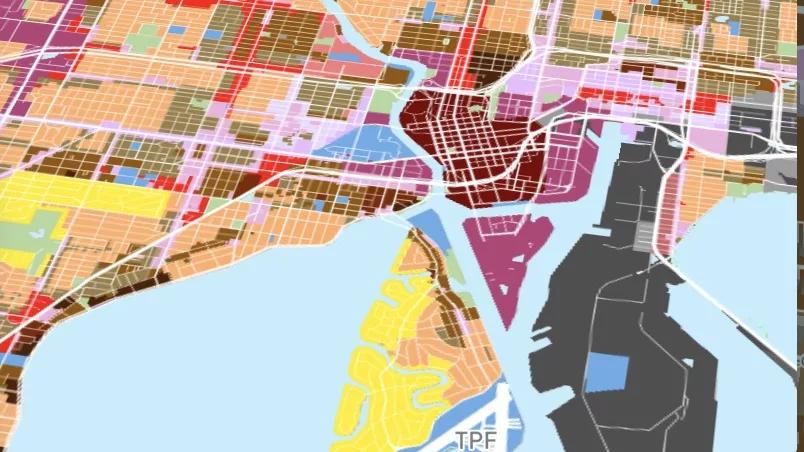
Open Tampa's Official Zoning Map. The map image is a visual reference. Use the official GIS map for verified parcel boundaries and zoning classifications.
The official Tampa interactive zoning map lets you search by address or tax folio number. It also identifies historic districts, overlays, city limits, and zoning designations.
The city states that its interactive zoning data is refreshed every 24 hours, while published map collections are updated periodically.
City of Tampa
Important: A Tampa mailing address doesn't always mean Tampa zoning
Many properties with Tampa mailing addresses are actually in unincorporated Hillsborough County. Others may be within separate municipal jurisdictions. This matters because the City of Tampa and unincorporated Hillsborough County have different land-development regulations.
Before reviewing zoning, verify which government controls the property. The city's official boundary lookup is available through its City Limits Map.
City of Tampa
5. Tampa Neighborhoods Worth Evaluating for Investment Properties
Different Tampa neighborhoods offer different opportunities, but your investment strategy and financing should determine which areas make sense.
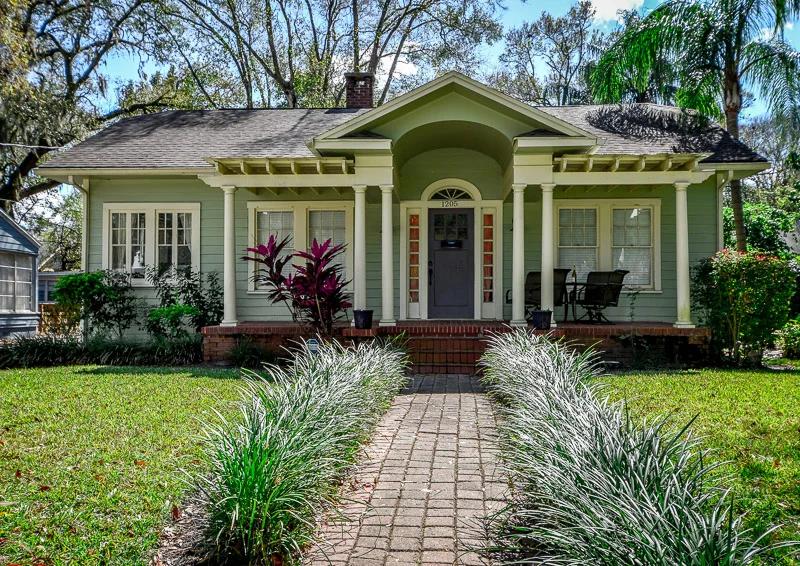
Seminole Heights
Older homes may offer renovation and traditional rental opportunities. Pay particular attention to historic districts, specialized Seminole Heights zoning, renovation costs, and property insurance.
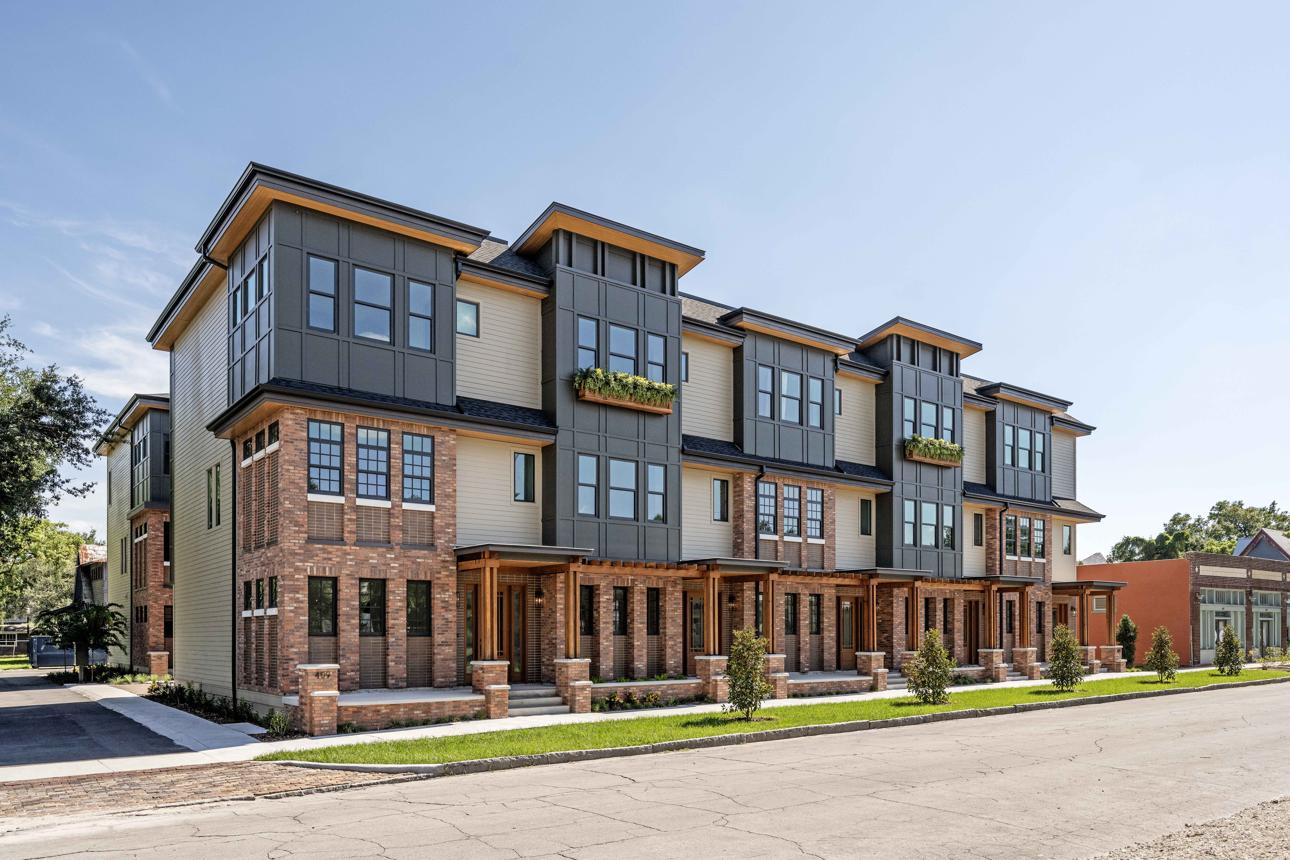
Tampa Heights
Consider older residential properties, renovations, and redevelopment opportunities. Evaluate acquisition costs, historic restrictions, and the property's legal use.
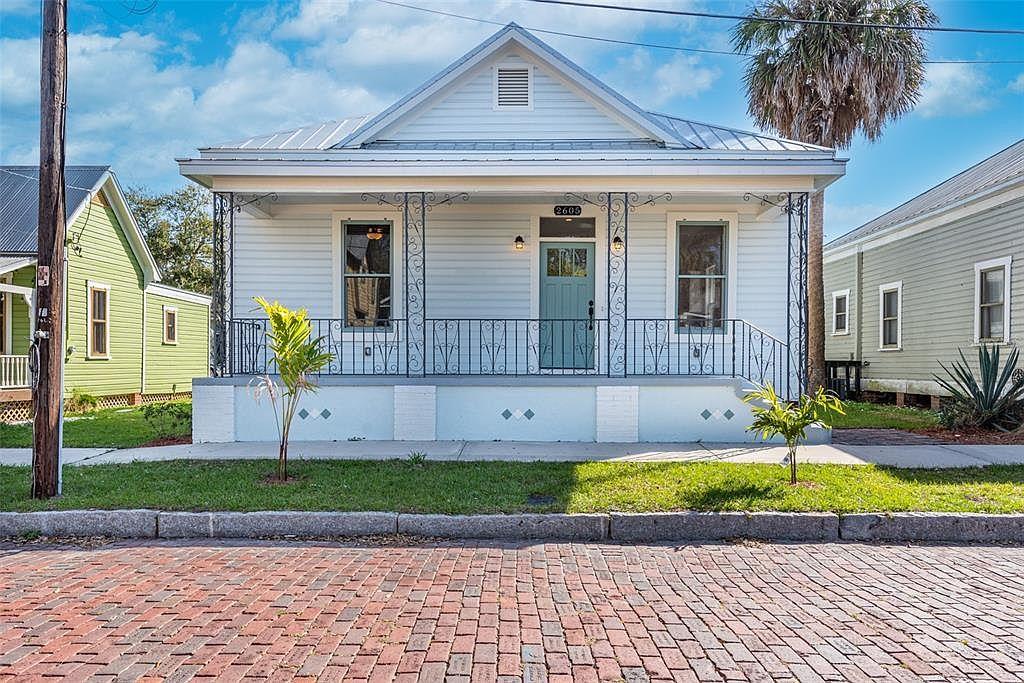
Ybor City
Historic housing and mixed-use areas can present opportunities, but Ybor City zoning, preservation requirements, and permitted rental uses need careful review.
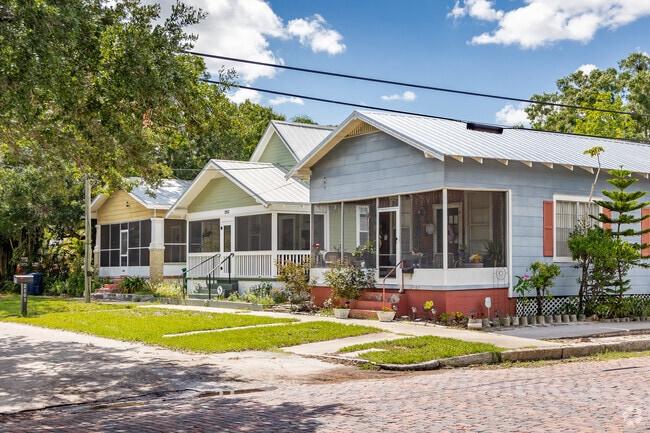
West Tampa
Research traditional rentals, renovations, and qualifying small multifamily properties. Compare realistic rental income against renovation and ownership costs.

South Tampa
Evaluate established rental demand, higher acquisition costs, flood exposure, insurance, and whether the expected rent supports your financing. Neighborhood reference map, not a zoning map or a ranking of investment performance. Verify each property's zoning individually.
6. Tampa's Biggest Investment Consideration: Insurance, Flood Zones, and Hurricane Exposure
Florida investors need to pay particularly close attention to insurance and property condition. A property that appears profitable based on rent and mortgage payment alone can become a poor investment after adding insurance, flood coverage, repairs, and association costs.
Property insurance
Before making an offer, obtain realistic insurance estimates for the intended use. An older home may require roof repairs, electrical updates, plumbing improvements, or other work before an insurer will provide acceptable coverage. For renovation projects, you'll also want to understand what coverage applies while the property is vacant or under construction.
Flood zones
A property doesn't need to be directly on the water to have flood exposure. Review the FEMA flood map, the property's elevation, prior flooding information, and insurance requirements.
Properties in certain special flood hazard areas generally require flood insurance when financed by a federally regulated lender. Even properties outside high-risk flood zones can experience flooding.
Condominiums and association restrictions
Condo investments introduce another level of due diligence. Beyond the individual unit, you need to evaluate the association's financial condition, reserves, insurance, special assessments, rental restrictions, and any building inspection or structural requirements.
Florida's condominium regulations can also affect financing eligibility. A condo with attractive rental projections may not qualify for the financing you expected if the project doesn't meet lender guidelines. Before you fall in love with a Tampa property, let's confirm that the financing and insurance costs make sense.
7. Short-Term Rentals, Room-by-Room Rentals, and Group Housing
Short-term rentals
Tampa's short-term rental rules require careful attention to both state requirements and local zoning. Florida has a statewide vacation-rental licensing framework administered by the Department of Business and Professional Regulation (DBPR). Whether a particular rental requires a state license depends on the property's classification and operation.
The City of Tampa's zoning code also distinguishes ordinary residential occupancy from transient lodging uses. Investors should not assume that nightly rentals are automatically permitted in every residential district.
For example, the city's land-use tables treat certain bed-and-breakfast and lodging uses differently across RS, RM, and commercial districts. The applicability of these classifications to a particular vacation rental should be confirmed with the city, especially given Florida's statutory limits on local vacation-rental regulation.
STR Law Map
Hillsborough County also imposes a 6% tourist development tax on taxable short-term accommodations rented for six months or less, subject to exemptions and collection arrangements.
Hillsborough County Tax Collector
Before purchasing a short-term rental, verify zoning, state licensing, tax registration, HOA restrictions, insurance, and projected operating expenses.
Room-by-room rentals
Renting individual bedrooms may generate more gross revenue than renting an entire home to one household. But higher projected rent doesn't automatically mean a better investment.
The proposed arrangement may be subject to different requirements depending on whether it qualifies as ordinary household living, a rooming house, a boarding house, or another use classification. We also need to determine whether the lender will accept the projected rental income.
Some DSCR lenders may use a traditional market-rent appraisal instead of adding together individual room rents. Others may consider specialized rental arrangements, subject to additional documentation and guidelines.
Group homes and recovery housing
Investors considering group homes, sober living, or other specialized housing should verify local zoning classifications, occupancy requirements, building and fire codes, state licensing where applicable, and insurance. Federal and state fair-housing protections may also affect the analysis.
Because these arrangements can vary significantly, written confirmation from the appropriate authorities is important before committing to a property.
8. Run the Numbers: Tampa Rental Property Cash-Flow Analysis
Here's a hypothetical example of a Tampa long-term rental.
Assumes a 30-year amortizing loan. Excludes HOA, utilities, closing costs, income taxes, and other unmodeled expenses. The NOI-based DSCR shown is not necessarily the lender's qualifying DSCR methodology.
This example illustrates why insurance and flood costs should be part of the initial analysis rather than something you investigate after signing a contract. Even if the property produces strong gross rent, its net cash flow may be much lower than expected.
9. Hard-Money Loans, Renovations, and the BRRRR Exit Strategy
If you're buying a distressed property in Tampa, renovating it, and planning to sell or refinance, the exit strategy is one of the most important parts of the deal. Hard-money lenders may finance a portion of the purchase and renovation costs, but the loan structure can include origination points, construction draws, interest reserves, extension fees, and a relatively short repayment period.
We need to know what happens if the project takes longer than expected.
Example: Tampa fix-and-flip
Item | Hypothetical amount |
Purchase price | $250,000 |
Renovation budget | $65,000 |
Acquisition closing costs | $7,000 |
Financing and holding costs | $25,000 |
Estimated selling costs | $28,000 |
Total projected costs | $375,000 |
After-repair value | $425,000 |
Projected profit before income taxes | $50,000 |
On paper, this project produces a $50,000 profit. But if renovation costs increase by $20,000 and the property sells for $15,000 less than expected, the projected profit falls to $15,000. That's before considering additional delays or unexpected expenses.
What if you're planning to refinance?
For BRRRR investors, we need to evaluate the permanent financing before taking out the short-term loan. That means reviewing the expected after-repair value, rental income, lender seasoning requirements, cash-out restrictions, loan-to-value limits, and anticipated refinance costs.
We also need to make sure the property will be insurable and eligible for the permanent loan after renovations. A hard-money loan should never be evaluated without understanding how you're going to pay it off. The ideal outcome may be a profitable refinance or sale, but we should also establish a backup plan if the appraisal, rental income, or renovation timeline doesn't meet expectations.
10. Why Work With Shereen Muckerman, The Mortgage Wizard?
Here's something I want investors to understand:
You have a buy box. Lenders have a buy box, too. Your buy box might include properties under $350,000, a minimum cash-flow target, specific neighborhoods, or a particular renovation strategy.
Lenders have their own criteria. One lender may be comfortable with traditional single-family DSCR loans but unwilling to finance a manufactured home, rural property, or room-by-room rental. Another may offer specialized programs for short-term rentals, renovation projects, or investors with multiple properties.
When you go directly to one lender, you're trying to fit every investment into that lender's guidelines. And when the deal doesn't fit, you're back to shopping. As a mortgage broker, that's my job. I shop the lenders for you.
Relationships with more than 50 lenders
I have relationships with over 50 lenders, giving me access to different loan programs, pricing structures, property guidelines, and financing options. My job is to understand which lenders have an appetite for which types of investments.
I also keep up with guideline changes because a lender that was a great fit for your last deal may not be the best fit for your next one. I'm not just looking for the lowest rate. I'm looking for financing that fits the property, your financial position, and your investment strategy.
Why I'm not an order taker
Sometimes an investor will text me:
"Can you get me a 6.5% DSCR loan, no points, and low fees?"
I understand the question. Everyone wants competitive financing. But I can't recommend the right loan without understanding the deal.
What if the lowest-rate loan has a five-year prepayment penalty, but you're planning to refinance in twelve months?
What if the lender won't accept your property's rental-income structure?
What if a different financing option helps you preserve more cash for your next investment?
The lowest advertised interest rate isn't always the best financing strategy. I want to understand your short-term and long-term goals, the property, your credit profile, and your exit strategy. That's how we determine which loan makes sense.
One credit report, multiple lender options
One benefit of working with my team is that we generally obtain one mortgage credit report that can be used with participating lenders for up to 120 days, subject to their requirements.
If we need to change lenders, we can often transfer the existing documents and continue the process without rebuilding the entire file. Some lenders may require updated information or a new credit report, but our goal is to minimize unnecessary delays.
Built for repeat investors
My business is built on repeat clients and referrals. When I work with an investor, I want to understand their financial profile, preferred investment criteria, and long-term goals. We maintain their file and update documents as needed for future transactions.
That way, when they find their next property, we're not starting from scratch. We review the deal, determine which lenders are a good fit, update the documentation, and move forward. I want to be the person you call before your next investment, not just when you need a loan.
11. What We Expect From Investors Working With Our Team
My team and I pride ourselves on client service. Our goal is to close eligible transactions within 30 days whenever the loan program and circumstances allow. To accomplish that, we need investors who are committed, responsive, and respectful of the process.
When we commit to your transaction, we're committing our time, expertise, and resources. We expect you to provide documentation promptly, communicate throughout the process, and meet agreed-upon deadlines.
If you're still shopping lenders, that's fine. We encourage you to complete that process before asking us to begin full loan processing. Once we move forward together, we expect timely communication.
If communication stops, we may place the file on hold for one week, which can delay closing. If we're still unable to reach you, we may withdraw the application from active processing, subject to applicable notice and regulatory requirements.
These expectations help us maintain the same service standards for every client. We work best with investors who value professional guidance and are serious about building successful portfolios.
12. Tampa Investment Property Due Diligence Checklist
Your investment checklist
Complete the first financial planning call before property shopping
Establish purchase budget, reserves, and investor buy box
Confirm city or county jurisdiction and zoning
Verify legal dwelling units and intended rental use
Review HOA, condo, historic, and deed restrictions
Check FEMA flood zones and hurricane exposure
Obtain property and flood insurance estimates
Estimate post-purchase property taxes and operating expenses
Review rehab costs, contractor bids, and contingency reserves
Complete the second deal-review call before committing
Verify hard-money terms, draw schedules, and maturity
Confirm DSCR, refinance seasoning, and LTV requirements
Establish primary and backup exit strategies
Final Thoughts
Tampa offers investors a variety of opportunities, but a good investment is about more than finding a property with attractive rental income. The property needs to fit your financial position, zoning requirements, financing options, and exit strategy.
That's why I recommend two conversations during your investment process. First, before you start shopping. Let's establish your financial plan, understand your financing options, and define your buy box.
Second, when you find a property. Let's review the actual deal, projected profitability, insurance, zoning, short- and long-term goals, and exit strategy. This is especially important when you're using hard money or planning a renovation and refinance.
I don't want to be the lender you call at the last minute because you need financing. I want to be part of your investment planning process. My goal isn't just to help you purchase a property. It's to help you build a profitable, sustainable investment portfolio that you'll want to keep growing. And when you're ready for the next property, I want to be the first person you call.